01
Combustion Devices
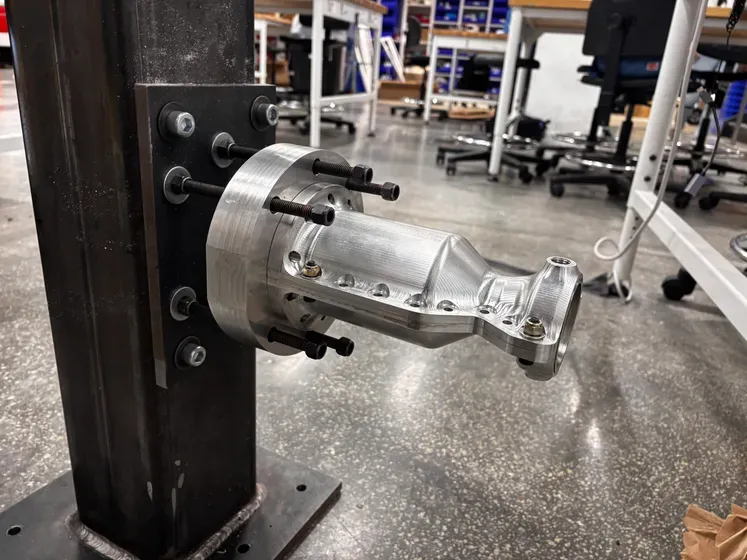
Combustion Devices designs, manufactures, and tests the injector, chamber, and nozzle that turn propellant into thrust. We bring together analysis and hands-on work to build hardware for the extreme conditions inside a liquid rocket engine.
From injector to nozzle
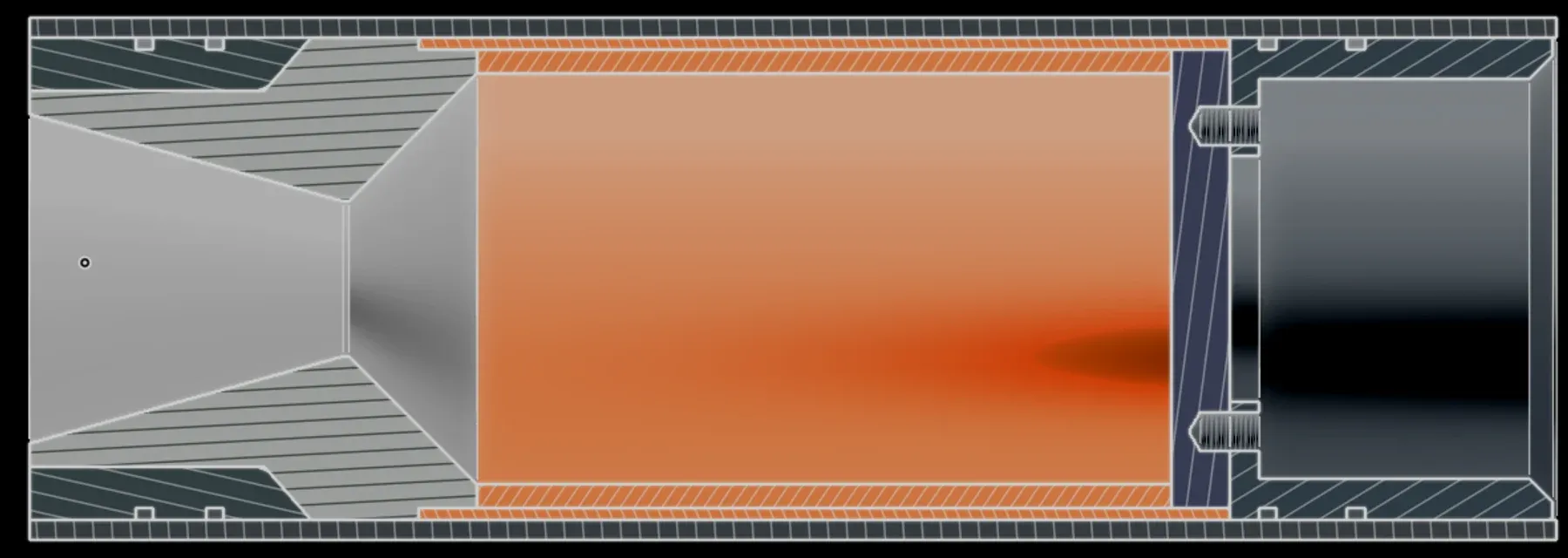
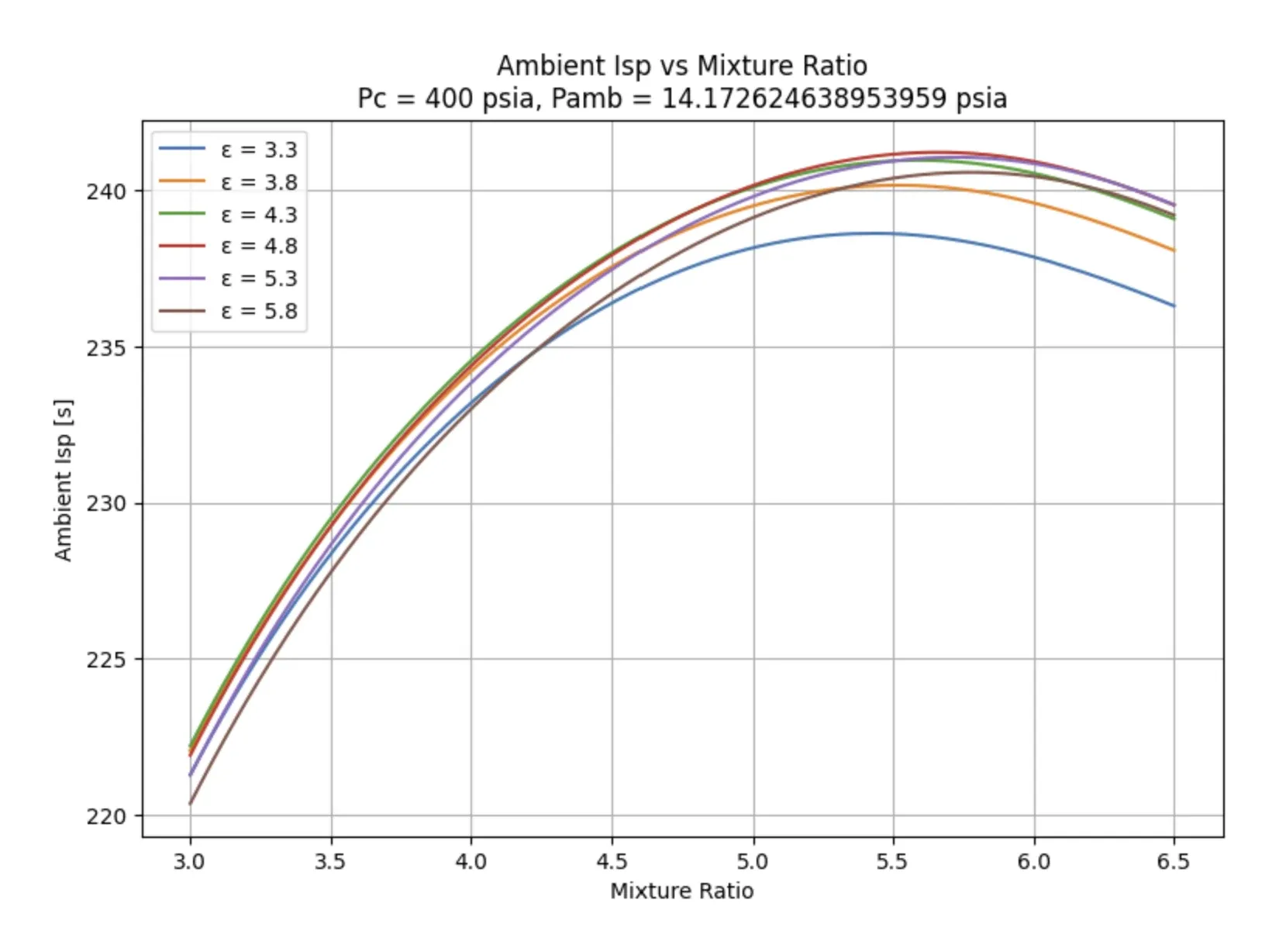
We turn the rocket’s size and performance goals into the geometry of the engine. Calculations and simulations guide the sizing of the injector, combustion chamber, throat, and nozzle. Each decision has to account for the propellants, operating pressures, and intense heat the hardware will face.
From design to hardware
The work moves between CAD, modeling, and the machine shop. We manufacture engine components and bring the designs together as physical hardware ready for testing. Current development focuses on an ablative chamber to support rapid testing, with a lining that gradually wears away to protect the chamber from combustion heat.
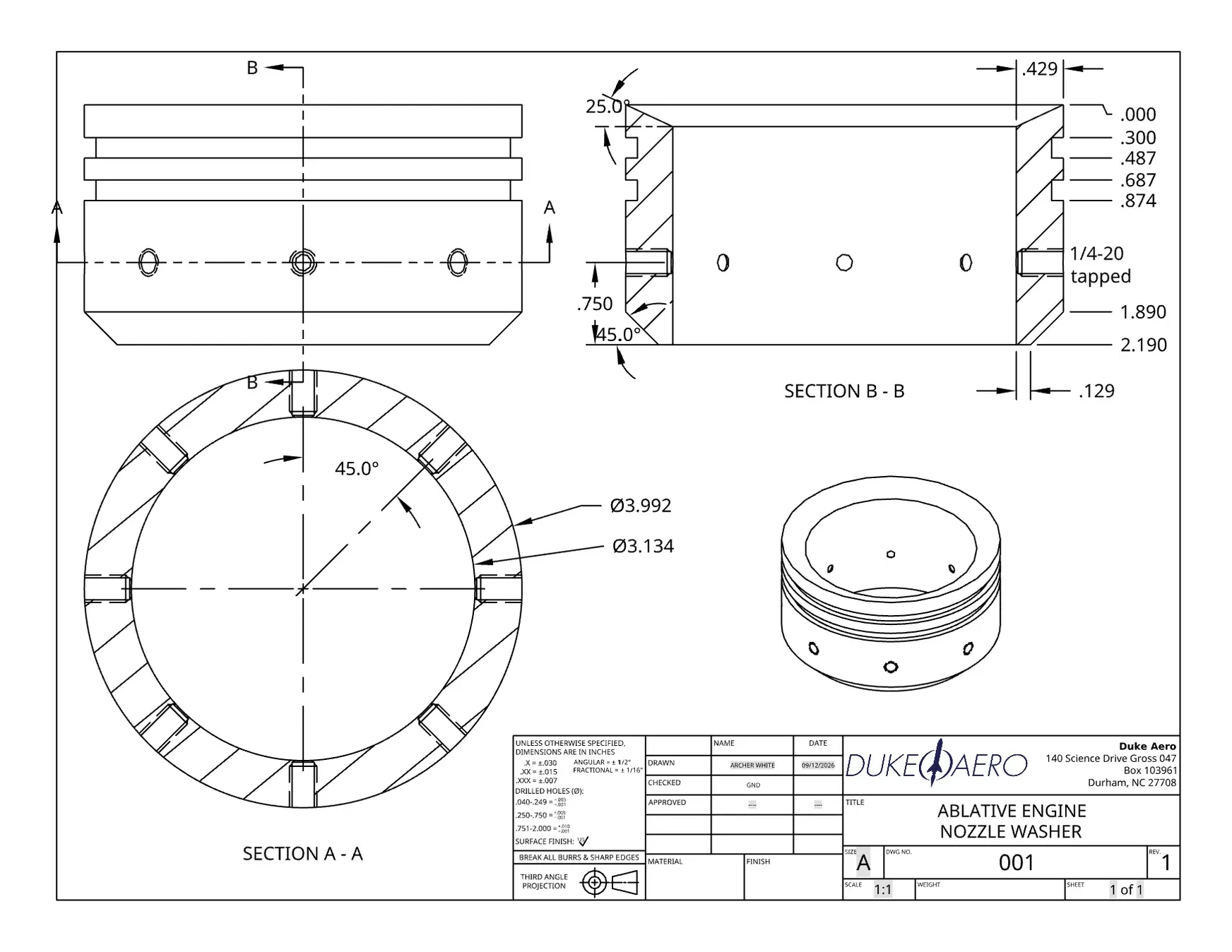
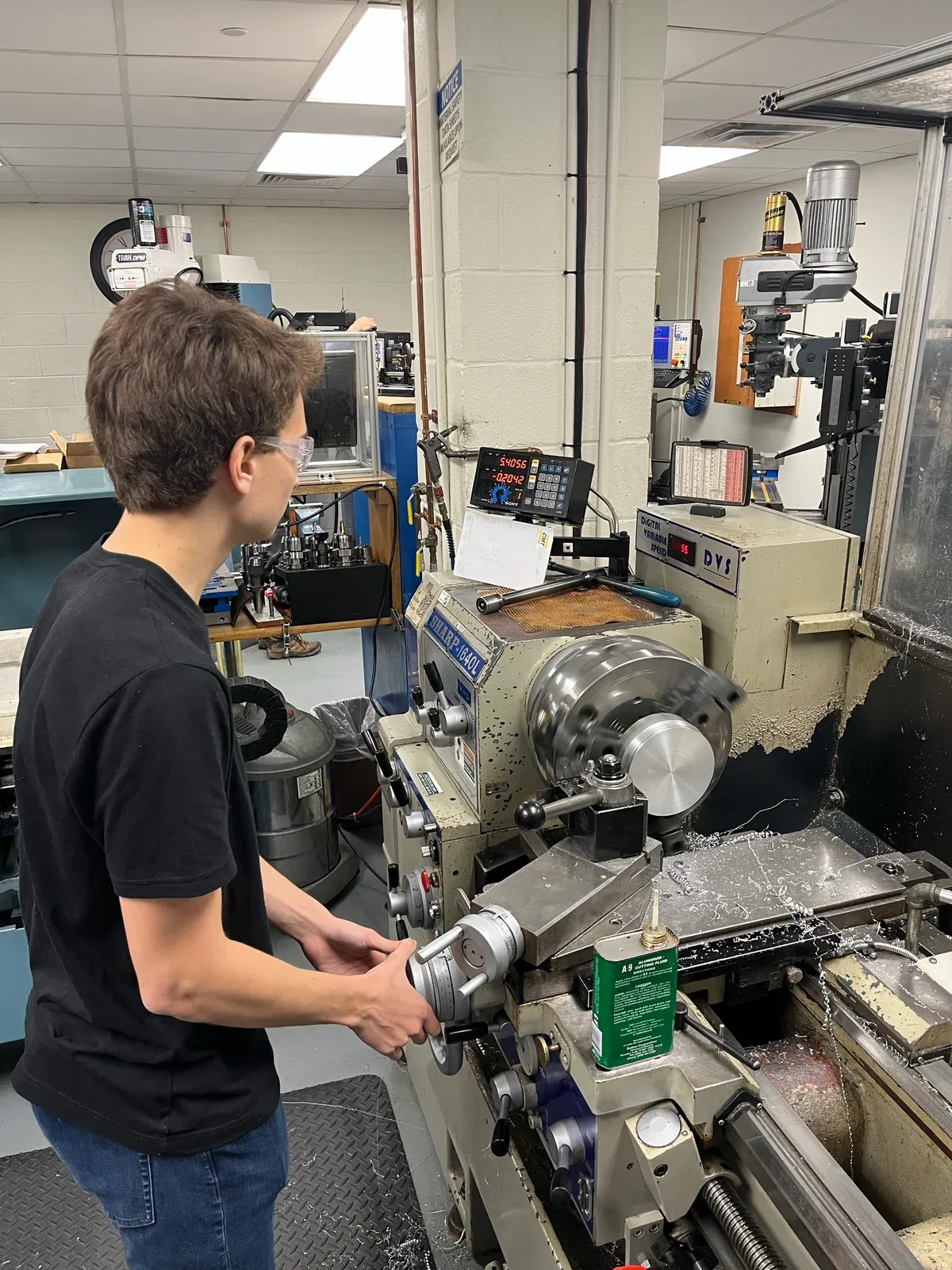
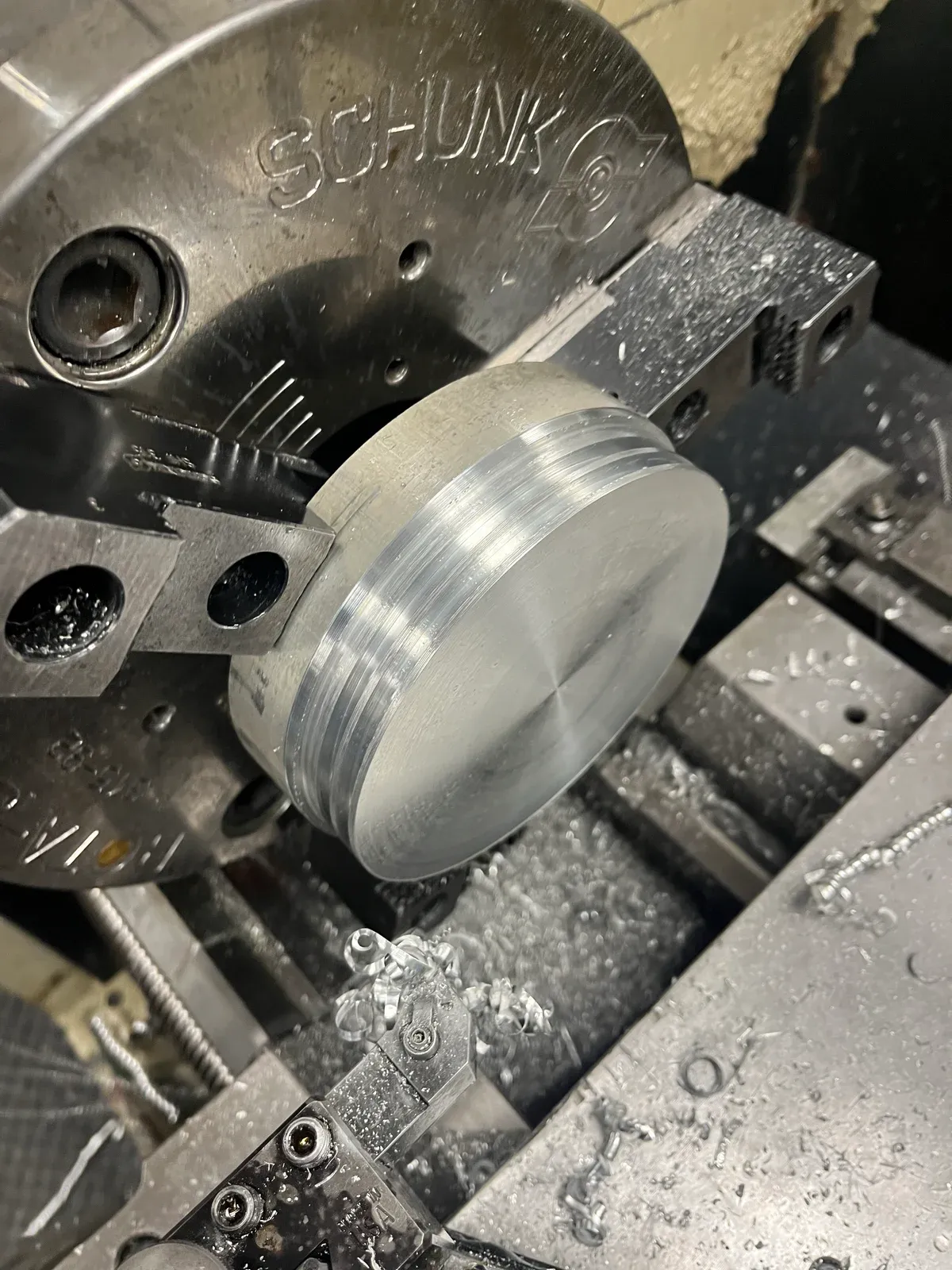
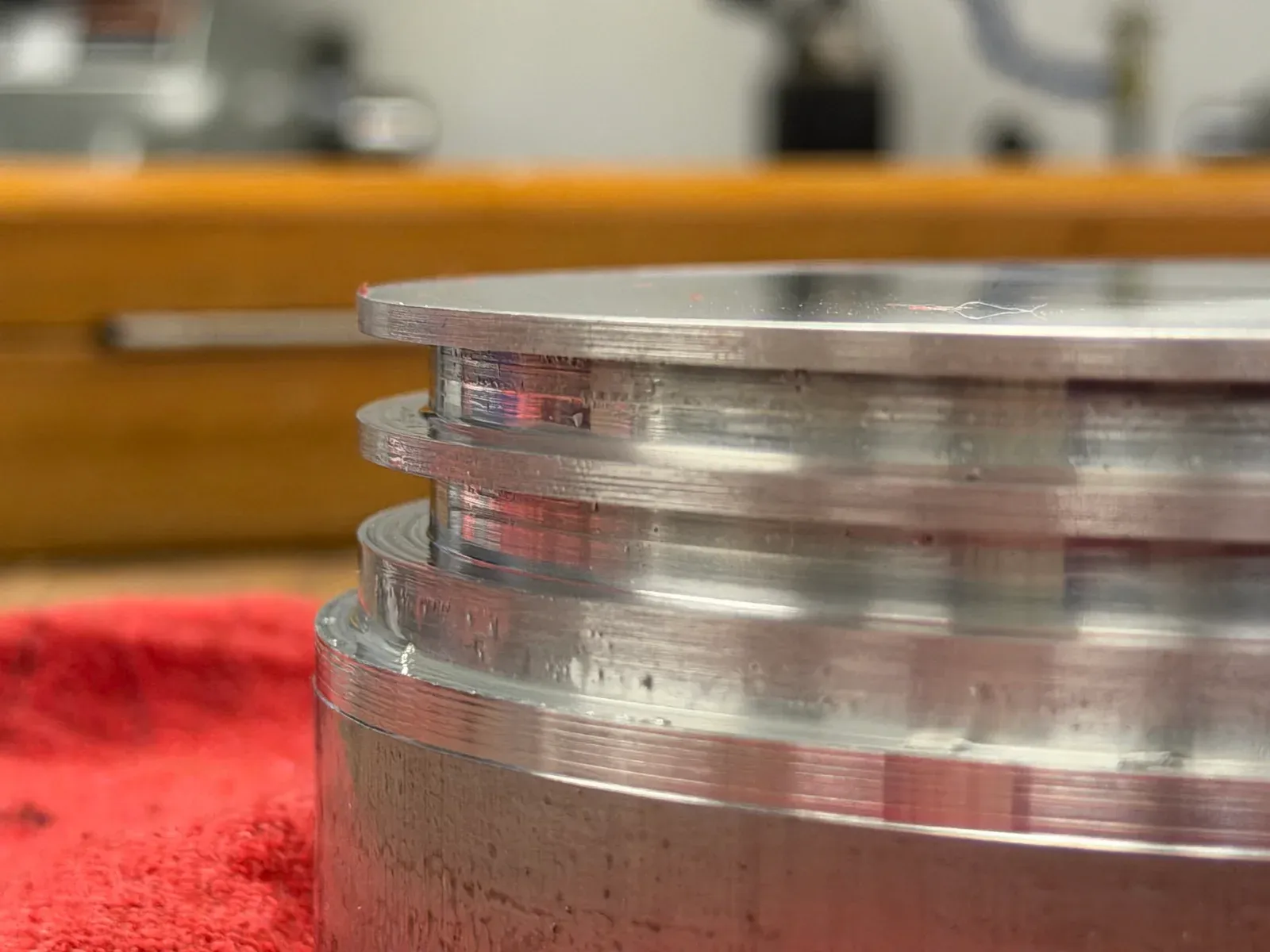
Machining in the shop, from the lathe to the finished surface details.
Bringing the test together
Combustion Devices works with Fluid Systems and Electrical & Controls to match the engine with its propellant supply and test setup. Beyond the engine itself, we help develop the ignition system, test stand, and water deluge system that limits exhaust damage. Preparing for a hot fire means making those pieces work together.